



A Community of Practice in Motion: GPE KIX Africa 19 Hub Focal Points’ Meeting
A Community of Practice in Motion: GPE KIX Africa 19 Hub Focal Points’ Meeting
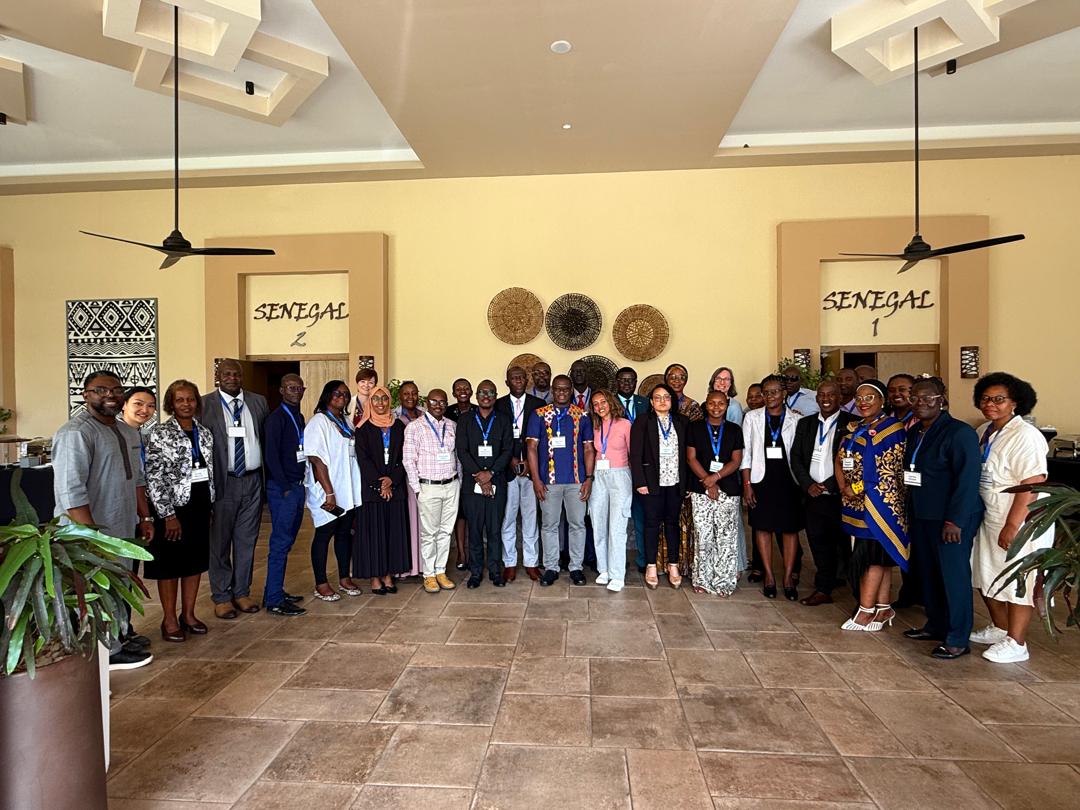
Location: Pointe Sarène, Thiès – Senegal
Date: 1–2 December 2025
The KIX Africa 19 Focal Points’ Meeting brought together focal points from 19 Ministries of Education in Africa, alongside UNESCO-IICBA, UNICEF ESARO, AU-IPED, Global Partnership for Education (GPE) and International Development Research Centre (IDRC). Under the GPE Knowledge and Innovation Exchange (KIX) - a joint initiative with Canada’s IDRC, the meeting focused on strengthening evidence uptake, peer learning, and policy alignment across education systems in Africa.
Across the two days, a central message stood out: Africa needs more evidence use, not just evidence generation.
Day 1 centred on inclusion, disability education, and the growing importance of strong data systems. Kenya and Lesotho shared compelling lessons on curriculum adaptation and functional assessments for learners with disabilities - demonstrating how peer learning can drive meaningful reform. As Somalia aptly noted, “The more effective inclusive practice is, the more invisible it is.”
The discussions then turned to data systems, where AU-IPED presented the status of EMIS policies across KIX 19 countries. While progress is evident, the absence of EMIS policies in several countries remains a critical gap, reinforcing the need for coherent, reliable data to inform planning and ensure meaningful inclusion. Cross-country learning continued to shine: Lesotho’s inclusive education roadmap, Nigeria’s Education Data Bank and teacher training reforms, and Kenya’s gender-responsive policy shifts all reflect the tangible impact of KIX-supported collaboration.
Day 2 built on this momentum with a deeper focus on evidence uptake strategies, 2026 priorities, and the evolving role of KIX focal points. Strengthening disability data and EMIS functionality emerged as shared priorities.
Evidence use in action was also showcased - Liberia’s costed EMIS action plan, Uganda’s growing Evidence Labs model, and Sierra Leone’s work on teacher management reforms all demonstrated how countries are translating research and peer learning into policy and system improvements.
The meeting reaffirmed that KIX is more than a platform - it is a growing community of practice. Focal points are increasingly driving evidence use within their ministries, championing data, inclusion, and peer learning.
As we close 2025, the momentum is clear: countries are ready to move from generating evidence to applying it - strengthening education systems for all learners across Africa.
-
Share:


